Textiles & Interiors
How Organic Linen Decorative Pillow Covers Add Texture to a Room
A single pillow cover can change the way a room feels. Organic linen brings a quietly irregular surface to beds and sofas—one that catches light, softens with use, and gives smooth or patterned fabrics a natural counterpoint.
Published October 16, 2026
Texture is often easiest to notice when it is missing. A room may have a pleasing palette and carefully chosen furniture, yet still feel flat: polished surfaces repeating one another, fabrics sharing the same smooth finish, every edge appearing newly pressed. A decorative pillow cover offers a small way to introduce contrast. In organic linen, that contrast is not loud. It comes from the fiber’s fine variations, the weave’s subtle relief, and the way the cloth falls rather than holding a rigid line.
That is the appeal of linen as an accent. It can sit beside crisp cotton sheets, a smooth duvet cover, a wool throw, or a leather sofa without demanding that the rest of the room change. An organic linen decorative pillow cover is a modest piece with a noticeable effect: it gives the eye a place to pause and the hand a different surface to encounter.
The best results come from treating a pillow as part of a larger textile landscape. Consider its dimensions, color, weave, and care alongside what is already in the room. The goal is not to make every fabric match, but to create a thoughtful relationship among materials—one that feels collected and comfortable rather than overly coordinated.
Why linen brings depth to a space
Linen begins with flax, a plant whose fibers are spun and woven into cloth. Unlike a perfectly uniform surface, linen often shows small variations in yarn and texture. These differences are part of its character. They can give a pillow cover a softly rippled appearance, with tiny changes in how the fabric reflects light across a seam or fold.
That texture is useful in interiors because rooms are made of surfaces that meet and overlap. A linen cover can interrupt the sleekness of a lacquered side table, soften the outline of a structured sofa, or bring tactile interest to a bed layered in smooth sheets. The effect is subtle: a visual shift from shine to matte, from uniform to gently uneven, from tightly arranged to relaxed.
Linen’s natural drape also matters. A cover with a washed or relaxed finish tends to look at home rather than ceremonially arranged. It can crease, settle, and form small folds where a person leans or rests. These marks are not necessarily flaws; they are signs that a textile is being used. With repeated washing and everyday handling, many linen fabrics become softer, though the exact feel depends on the yarn, weave, finishing, and care routine.
Organic describes how the flax was grown and processed under the requirements of a particular standard or certification. It does not, on its own, guarantee a specific texture, durability, or environmental outcome. For readers interested in sourcing, certification details and the manufacturer’s stated material information are useful starting points. The hand of the fabric still deserves attention: a cover’s weave and finish will influence how it looks and feels in a room.
Start with the room, not the pillow
Before choosing a cover, take stock of the textiles already in place. On a bed, that might mean sheets, a duvet cover, shams, and a blanket. In a living room, it could include upholstery, curtains, a rug, and a throw. Notice which surfaces are smooth, which are nubby, and where color or pattern already draws the eye.
If the room has crisp cotton bedding, a relaxed linen cover can add a more informal note without changing the bed’s foundation. The same principle works in a living room: linen can offset a tightly woven sofa or bring softness to a space dominated by wood, metal, or glass. When several textures are already prominent, a plain linen cover may offer a quieter surface rather than adding another elaborate pattern.
Think about contrast in more than one way. A pale linen cover against a darker sofa creates contrast in value; a natural, irregular weave beside smooth cotton creates contrast in texture. You do not need to maximize both. A low-contrast color can still feel distinctive if its surface differs from the surrounding fabrics.
For a simple composition, choose one or two qualities to vary. A neutral linen cover might add texture while echoing the room’s existing colors. Alternatively, a colored cover could introduce a new accent while keeping its construction simple. This restraint helps a small decorative pillow feel connected to its surroundings.
Choose color with the light in mind
Linen’s uneven surface can make color appear softly dimensional. Cream, flax, sand, and other quiet tones often reveal the weave without making it the center of attention. They can sit comfortably beside white or ivory bedding, warm wood, and muted colors. In a room with darker upholstery, a pale cover may lift the arrangement; against light bedding, a deeper earth tone can establish a gentle focal point.
Color also changes through the day as natural light moves across a room. A shade that seems cool in a store or under artificial lighting may look warmer near a sunlit window. If possible, compare the proposed color with nearby fabrics in the room’s usual light. Consider the whole setting, including wall color and flooring, rather than judging the cover on its own.
Patterns can be part of the mix, but they need not compete. A plain linen cover can calm a bed that already has striped sheets or an embroidered duvet. If the room is mostly solid colors, a subtle stripe or decorative detail can supply another layer of interest. Pay attention to scale: a small pillow with a bold, large-scale pattern may dominate more quickly than a larger one with a fine, low-contrast design.
Natural texture can help bridge unlike colors. A linen cover in a neutral tone may connect a warm wood frame with cool-colored bedding, for instance, by adding a third, quieter surface between them. This is not a rule of design so much as a useful way to think: texture can help colors coexist even when they are not identical.
Get the proportions right
Size influences both comfort and appearance. A decorative pillow cover should fit its insert closely enough to avoid a slack, underfilled look, but not so tightly that the corners strain or the closure pulls. Check the cover’s stated dimensions and compare them with the insert you already own. Pillow sizing can vary across makers, so a familiar label such as “square” is less helpful than the actual measurements.
Some people choose an insert slightly larger than the cover for a fuller shape, but the result depends on the fabric’s structure and the insert’s fill. A firm insert may make a cover look taut; a softer fill may create a more relaxed silhouette. When ordering, review the maker’s fit guidance and note whether the insert is included. Several decorative covers are sold separately from their inserts.
On a bed, a pair of small covers can frame larger sleeping pillows, while a single accent may create a simpler, less formal arrangement. On a sofa, consider the scale of the seat and the number of cushions already present. A pillow that is too small may disappear; one that is too large can crowd the sitting space. Placement should allow the pillow to be used, not merely displayed.
Layering works best when each piece has room to be seen. If two covers have similar colors and textures, a difference in size or shape can help distinguish them. Conversely, when the sizes are alike, vary the fabric or finish. A linen pillow can anchor a grouping of smoother cushions, giving the arrangement a clear tactile contrast.
Pair linen with bedding and upholstery
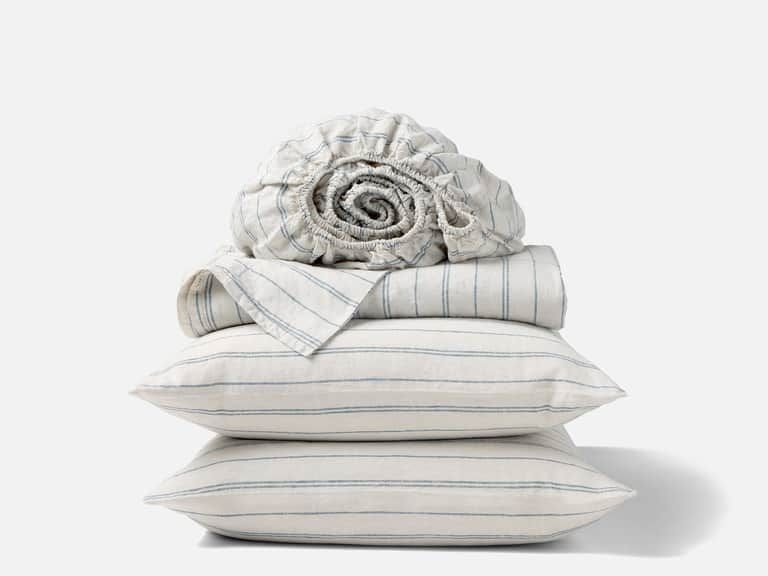
On a bed, start by identifying the visual anchor. It may be the duvet cover, a patterned blanket, or a headboard. Then use the decorative pillow cover to reinforce one quality already present or introduce a controlled contrast. A relaxed linen cover can work well with organic linen sheets because it extends the natural-fiber palette, but the fabrics do not need to match exactly. Differences in weave and finish can make a coordinated bed feel more layered.
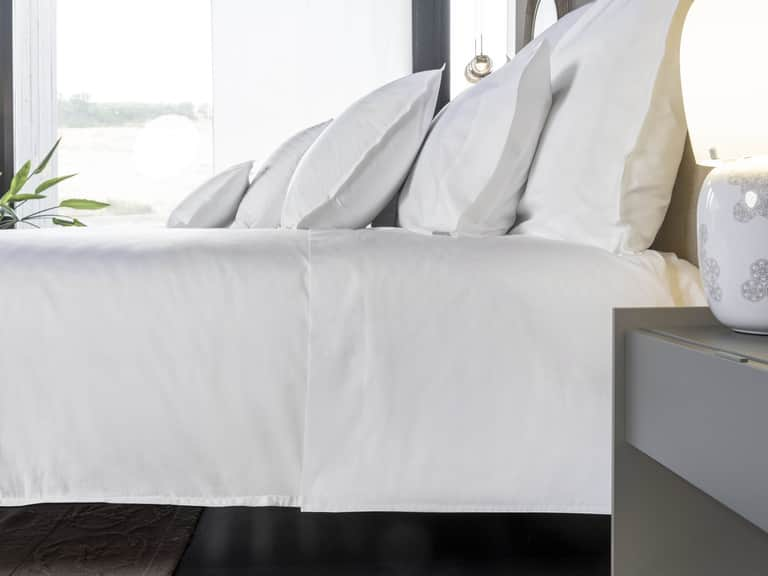
For example, smooth sheets beneath a softly textured cover create contrast through touch and appearance. A patterned duvet can be balanced by a plain linen pillow. A solid duvet can accept a cover with visible stitching or a subdued stripe. In each case, the accent is most effective when it contributes to the whole rather than competing for attention.
On a sofa, consider the upholstery’s hand. A linen cover can add a relaxed counterpoint to a formal fabric, while a more structured pillow can provide definition on a very soft, casual sofa. If the upholstery already has a pronounced texture, choose a cover that complements it in scale. Pairing two strong textures can be appealing, but giving the eye a calmer area helps keep the arrangement legible.
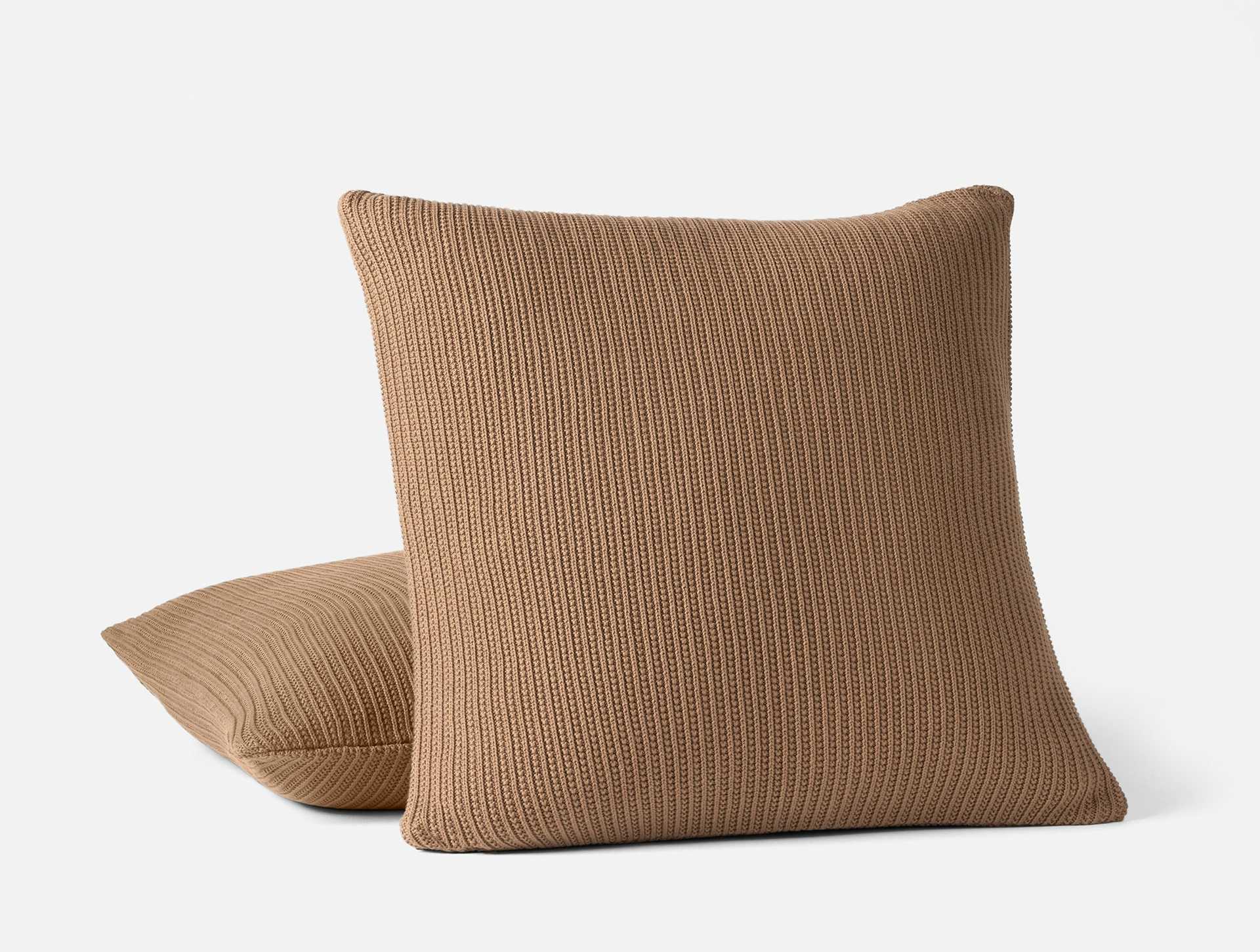
For a specific example, Coyuchi’s Organic Relaxed Linen Decorative Pillow Cover is described as organic linen grown in France and woven in Portugal, with a washed, relaxed finish. Its stated dimensions are 22 by 22 inches, and the insert is sold separately. The maker’s care information calls for cold, gentle machine washing and low-temperature tumble drying. Always confirm the current product details and care label before use, as specifications can change.
Care for the fabric’s natural character
Good care begins with the instructions supplied for the particular cover. Linen fabrics are not all finished in the same way, so a generic method may not suit every item. Check whether the cover is machine washable, whether it should be washed with like colors, and what temperature and drying method are recommended. A removable cover should also be turned inside out or closed before washing if the care guidance advises it.
In general, gentle washing and avoiding unnecessary heat can help limit stress on fabric and seams. Do not overload the washer: crowded textiles have less room to move and rinse. Use an appropriate amount of mild detergent, and avoid bleach unless the label explicitly permits it. Fabric softeners are not automatically necessary; they may affect some finishes, so follow the product’s directions rather than adding them by habit.
Air-drying can reduce exposure to high heat, though a low dryer setting may be allowed by the manufacturer. Remove the cover promptly if the instructions recommend it, and reshape it while slightly damp. Linen’s natural creases are often part of its relaxed appeal. If a smoother finish is preferred, consult the care label about ironing and use the recommended temperature.
Between washes, simple habits can help keep a cover fresh. Let it air after use, rotate decorative pillows so one surface is not always exposed, and address spills promptly according to the fabric’s care instructions. If the cover has embroidery, a delicate closure, or a special finish, take extra care to protect those details during laundering.
A small accent, a longer view
Decorative pillows are easy to change, which makes them a practical way to test color and texture in a room. Yet a thoughtful choice is not disposable simply because it is small. Consider whether the cover fits an insert you already own, whether its color will work across seasons, and whether its care routine is realistic for your household. A versatile cover may move from bed to sofa or from one room to another as the interior evolves.
Claims about organic sourcing and environmental benefits deserve careful reading. Look for clear fiber descriptions and information about relevant certifications, while remembering that a label covers defined criteria rather than every aspect of a product’s life cycle. Durability, frequency of use, laundering, and the ability to keep using an item all matter to its practical value. A pillow cover that suits the room and remains in regular rotation may be more useful than one chosen for a short-lived trend.
Linen’s appeal is closely tied to its material presence: a surface that is breathable, gently irregular, and capable of softening with use. On a bed, it can loosen a formal arrangement. On a sofa, it can make a polished setting feel more inviting. It adds texture not by shouting for attention, but by offering a different kind of surface—one that reveals its character gradually, through light, touch, and time.
A practical styling checklist
- Notice the room’s existing textures before choosing another one.
- Compare the cover’s measurements with the insert, and check whether an insert is included.
- Choose a color in relation to nearby bedding, upholstery, and the room’s natural light.
- Use linen to balance smooth cotton, patterned fabrics, or structured furniture without insisting on an exact match.
- Read the specific care label before washing, drying, or ironing.
- Consider sourcing statements and certifications as useful information, while evaluating the item’s likely longevity and everyday use.
A room’s texture is built in layers: woven cloth, soft folds, firm seams, and surfaces shaped by daily life. An organic linen decorative pillow cover can contribute one more layer, bringing a little of the natural world indoors while leaving the rest of the room free to be itself.