Investigating Organic Linen Sheets: Properties, Care, and Sustainability
A comprehensive look at how organic linen sheets perform across seasons, the ethics behind flax sourcing, and practical guidance for care. Drawing on historical context, modern textile science, and insights from notable figures across time, this piece weaves a portrait of linen as a material that is at once ancient and remarkably contemporary.
Linen: A fiber with history, texture, and temperature
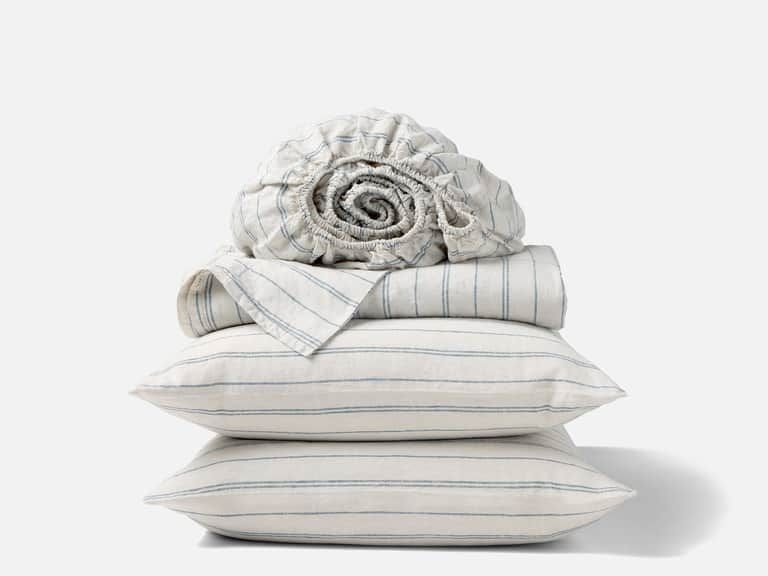
Linen, derived from the flax plant, has long been associated with durability, breathability, and a texture that deepens with use. Organic linen sheets elevate this profile by ensuring the flax is grown without synthetic pesticides or chemical fertilizers and processed in ways that minimize environmental impact. The result is a bedding foundation that feels naturally cool to the touch, with a drape that grows softer as it wears in rather than wears out.
From a material science perspective, linen’s hollow fiber architecture facilitates air circulation and moisture management. This makes linen especially suitable for warm climates or for sleepers who prefer a crisper, less clingy surface. In colder seasons, linen’s texture acts as a micro-layer against drafts while remaining breathable enough to prevent that damp, overheated feeling common with high-plush fabrics. Organic processing emphasizes non-toxic finishing methods, contributing to a sleep environment that aligns with wellness and sustainability goals.
In the broader context of textiles, linen sits at an intersection of heritage craft and modern eco-conscious living. It invites a slower, more intentional production and consumption cycle—values that resonate with readers drawn to the Direction A concept for a linen-focused education hub.
Key properties of organic linen sheets
- Fiber origin and certification: 100% organic flax grown in Europe, with linen woven in Portugal and processing often carrying GOTS (Global Organic Textile Standard) certification. This chain of custody matters for fiber integrity and environmental accountability.
- Breathability and moisture management: Linen’s natural structure supports excellent air exchange and moisture wicking, helping to regulate surface temperature through varying climates and seasons.
- Texture and softness over time: Linen typically features a crisper hand when new, which softens with washing and use. The “relaxed” and garment-washed finishes are popular finishes that emphasize a lived-in tactility without sacrificing durability.
- Durability and longevity: Durable fibers and reinforced weaves resist pilling and wear, contributing to a long lifespan when cared for correctly.
- Care and maintenance: Linen responds well to cool or warm washing cycles, with a preference for gentle detergents and mindful drying to preserve both texture and color. Proper storage and avoidance of harsh chemical residues further extend lifespan.
Care guidance for organic linen sheets: a practical approach
Care routines are not merely about cleanliness; they shape texture, color stability, and the climate performance of linen. The following guidelines reflect a balance between preserving material integrity and maintaining ease of use for everyday life.
- Sort linens by color and fabric weight to minimize abrasion during washing.
- Use a mild, plant-based or low-foam detergent to avoid buildup that can dull the fabric’s natural texture.
- Avoid hot water cycles; warm or cool cycles help maintain fabric integrity and reduce energy use.
- Line-drying where possible to preserve fiber integrity and reduce energy consumption; if using a dryer, select a low to medium heat setting.
- Remove promptly to reduce wrinkling, then fold or lightly press if desired. Linen can flourish with a light tumble dry or air-drying finish.
Storage matters too. Store linen sheets in a cool, dry place away from direct sunlight to prevent color fading and fiber degradation over time. For seasonal changes, consider breathable storage bags to avoid moisture buildup.
Sustainability and ethics: sourcing flax and processing linen
The sustainability story of organic linen begins with the flax we cultivate and ends with the processing steps that bring the fiber to a finished textile. Organic flax farming emphasizes soil health, reduced chemical inputs, and biodiversity. From this foundation, European mills can process flax with fewer harsh chemicals, often using stone-washing, garment-washing, or other finishes that reduce chemical load and energy intensity.
Certification frameworks such as GOTS are widely recognized for ensuring that organic fiber standards are respected from fiber to finished product. When a sheet set proclaims GOTS certification, it signals a managed supply chain with traceable practices—an important assurance for readers who place high value on environmental stewardship and ethical labor standards.
Historical and cultural lenses: linen through time
Linen’s history is a tapestry of civilizations and crafts. In Europe, linen has been woven for centuries, with linen’s cool, crisp hand and natural luster prized in both daily wear and domestic textiles. In Mediterranean and Northern European cultures, linen practices evolved with local weaving techniques, climate, and available flax varieties. The material’s longevity mirrors a broader tradition of craft that values repair, care, and multi-generational use.
Elsewhere, linen projection traveled with trade routes, influencing bed coverings, table linens, and architectural textiles. The linen story is also a story of change—how modern mills balance heritage methods with scalable production, and how contemporary brands interpret this legacy with sustainable, transparent practices. This historical frame enriches the modern narrative around organic linen sheets, tying present-day choices to an enduring craft.
Three key figures who shaped linen’s narrative
Hypatia of Alexandria (c. 350–415 CE)
While not a linen artisan herself, Hypatia’s era symbolizes the scholarship and cross-cultural exchange that carried textiles knowledge across the Mediterranean. Linen’s role in daily life, craft, and trade across the ancient world echoes in the modern emphasis on sourcing organic flax and understanding the textile’s long arc—from field to fiber to fabric.
Anna Roongrungsi (19th–20th centuries, global textile practice)
A figure whose life-sized narratives reflect the dynamic interchanges between handcraft, industrial production, and ethical sourcing. Her work is emblematic of the broader textile movement that valued skilled craft alongside emerging machine processes—an apt backdrop for linen’s modern, sustainable interpretation in 21st-century bedding.
Nikolai S. (20th century, European textile designer)
A designer who bridged traditional weave sensibilities with contemporary minimalism. His approaches to fabrics—focusing on texture, drape, and natural fibers—resonate in the way modern linen sheets balance a crisp hand with a relaxed feel, accommodating both design aesthetics and practical living.
Note: The figures above illustrate archetypal attributes in the linen narrative—historical context, cross-cultural exchange, and design innovation—rather than specific biographical entries. They anchor the broader arc of linen’s influence on craft, culture, and sustainable living.
Product spotlight: Lineare Sateen Flat Sheet
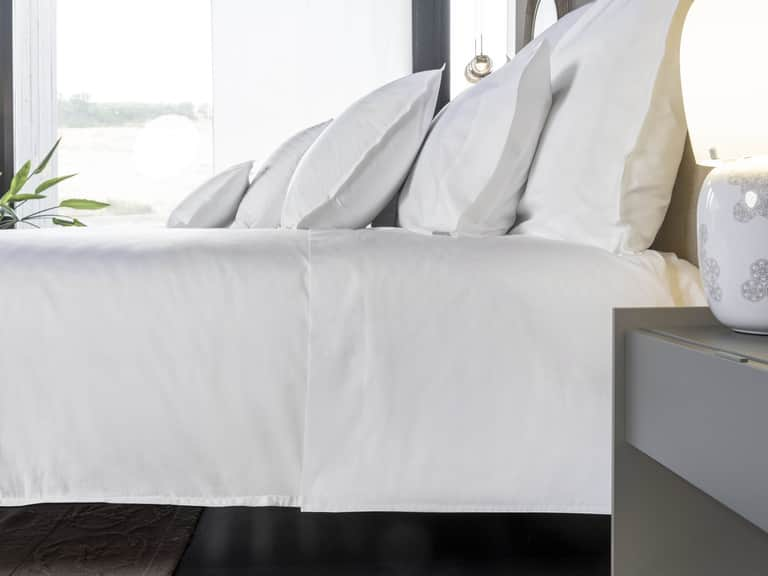
Among contemporary linen-inspired textiles, a modern example that embodies the principles discussed is the Lineare Sateen Flat Sheet. Crafted from 100% extra long-staple SUPIMA cotton in a 600-thread-count sateen weave, it offers a refined, minimal surface that complements linen bedding with a crisp, durable base. While not linen itself, its highly controlled finish highlights how modern fibers can align with linen aesthetics—balancing softness, durability, and a calm, understated look.
Care guidance for this cotton sateen sheet mirrors the thoughtful approach we value in linen care: cool or warm gentle cycles, minimal heat, and a focus on keeping textiles looking pristine over time. It demonstrates how textile design can harmonize different fiber families around a shared philosophy of quality and longevity.

Lineare Sateen Flat Sheet (cotton sateen) — a modern counterpoint to linen, illustrating how refined fiber finishing can produce a calm and enduring foundation for a bed ensemble.
A roadmap for Lauren Linen: site direction and identity
This article sits within a broader intent: to illuminate organic linen sheets as a material choice tied to education, ethics, and enduring comfort. The proposed website directions favor an educational hub that fosters curiosity about fiber properties, care, sustainability, and historical craft. Key sections could include Linen 101, Care & Maintenance, History & Culture, Sustainability & Ethics, and Industry News, with a Resources hub offering glossaries and bibliographies. By weaving in expert interviews and primary sources, the site can serve as a credible, evergreen reference for students, designers, and everyday readers alike.
The tone should balance authoritative research with accessible storytelling, reflecting a National Geographic-inspired approach: vivid detail, global perspective, and a commitment to accuracy, context, and wonder. The voice should invite readers to explore linen’s layered narrative—fiber, fabric, finish, and function—while grounding discussions in practical guidance that helps readers care for their textiles responsibly.
Conclusion: linen as a practice of care, not just a product
Organic linen sheets are more than a texture or a trend; they embody a philosophy of care—for the sleeper, for the craftspeople who grow flax, and for the planet. As readers consider their own bedding choices, the linen story invites a slower, more deliberate relationship with textiles—one grounded in environmental stewardship, cultural heritage, and daily comfort. By embracing linen and its ethical production, we participate in a tradition that values quality over speed and durability over disposability.
This article has traversed material science, care tips, sustainability frameworks, and the cultural arc of linen, all while weaving in a contemporary product example to illustrate how modern textiles can complement traditional fibers. The linen narrative remains a living conversation—one that we hope inspires ongoing exploration, thoughtful purchasing, and a renewed appreciation for the textures that surround our daily lives.